How Often Should You Pressure Clean a Commercial Car Park?
Most commercial car parks in Toowoomba benefit from professional pressure cleaning every three to six months. Busy retail sites, food outlets and heavily used parking areas may need cleaning more frequently, while quieter properties may only require a thorough clean every six to twelve months. These are practical starting points, not a universal legal requirement: the right schedule depends on traffic, surface condition, drainage and contamination.
A Practical Cleaning Schedule
Use the following intervals as a guide, then adjust them after inspecting how quickly your car park becomes dirty:
- High-use car parks: Consider pressure cleaning every one to three months, particularly around entrances, pedestrian crossings and food-service areas.
- Moderate-use commercial properties: Schedule cleaning every three to six months for office buildings, medical centres and smaller retail premises.
- Low-use car parks: Cleaning every six to twelve months may be sufficient where regular sweeping keeps debris under control.
- Spills and slippery patches: Address these promptly rather than waiting for the next scheduled clean. Oil and chemical spills require containment and appropriate treatment, not simply pressure washing.
How Toowoomba Conditions Affect Cleaning Frequency
Toowoomba car parks can accumulate windblown dust, soil, leaves and tyre residue. Summer storms can move sediment into low points and drainage channels, while shaded or persistently damp areas may develop algae. Nearby trees, landscaping and construction activity can also increase cleaning needs.
Inspect the site monthly and after significant storms. Look for slippery growth, oily deposits, blocked drainage grates and dirt obscuring line markings. Increase cleaning frequency where these problems return quickly, rather than applying the same schedule across every section of the property.
Pressure Cleaning Does Not Replace Routine Maintenance
Regular sweeping, litter collection and prompt spill management reduce the amount of contamination that builds up between professional cleans. Keep pedestrian routes and accessible parking bays clear, and investigate recurring puddles: cleaning alone cannot fix poor drainage.

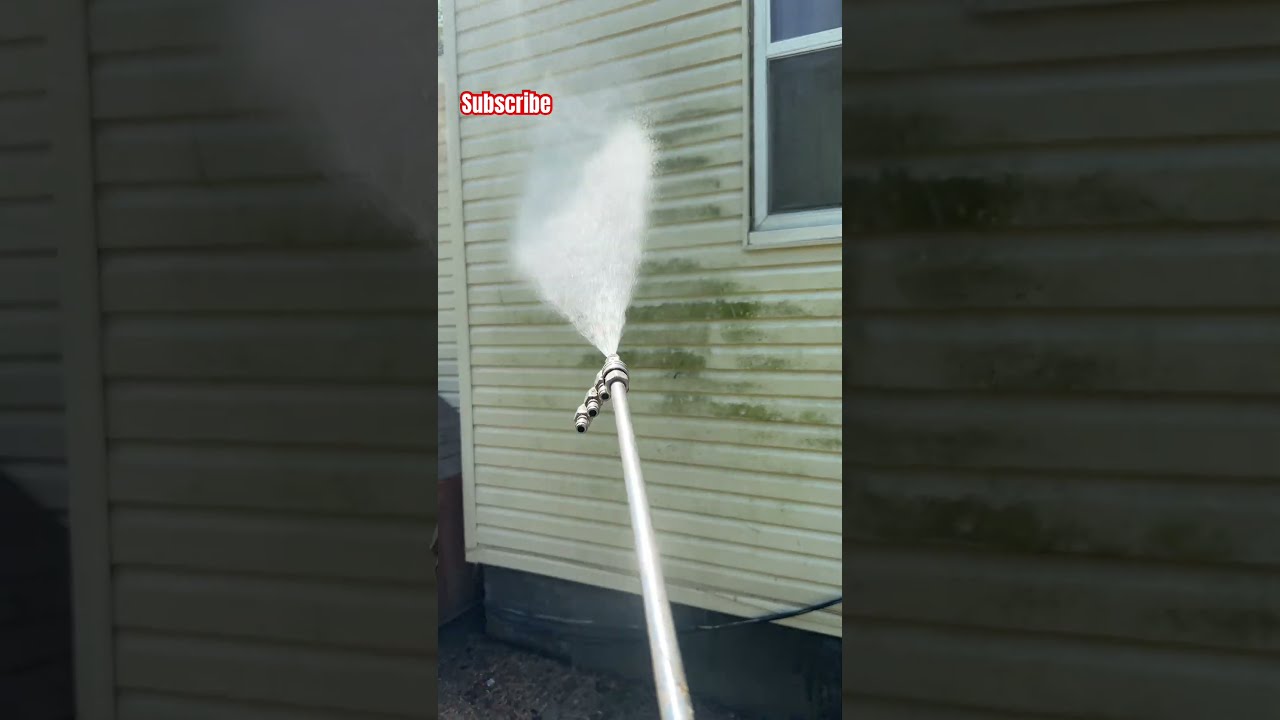
Before washing, check for loose asphalt, damaged concrete, failing coatings and worn line markings. Excessive pressure or unsuitable chemicals can damage these surfaces. A contractor should select equipment, temperature and cleaning products appropriate to the pavement and test a small area where necessary.
Manage Wastewater Before Cleaning Starts
Pressure cleaning can produce wastewater containing oil, sediment, detergent and other pollutants. Do not allow contaminated wash water to enter stormwater drains. Plan for drain protection, containment and recovery before work begins.
Confirm current requirements with Toowoomba Regional Council and relevant Queensland authorities. Any proposed discharge to the sewer should be checked with the local sewerage service provider, as trade waste approval or specific conditions may apply. Check current water restrictions before booking, too.
https://cashivfu742.hexaforgey.com/posts/diy-vs-professional-pressure-cleaning-costs-and-risksBuild a Schedule Around Your Property
Start with a three-to-six-month cleaning interval and review the results after each visit. Record problem areas, spills and surface deterioration so future work targets actual needs. Arrange cleaning during quieter hours, isolate the work area and keep pedestrians away until surfaces are safe to reopen.
The best commercial car park cleaning schedule in Toowoomba is condition-based: frequent enough to control contamination and maintain presentation, without unnecessary washing or avoidable surface wear.
Toowoomba Pressure Cleaning Pros
(07) 4646 4034